
When Painful Periods Aren't
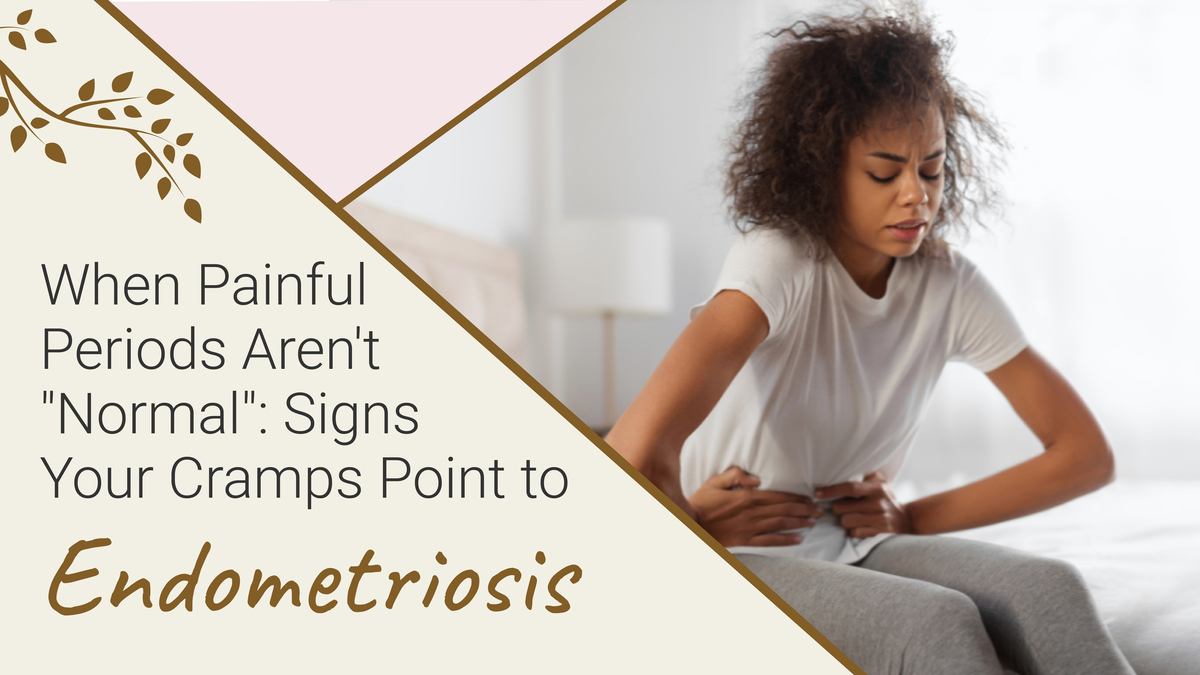
Cramps are common enough that painful ones are hard to judge. When the ibuprofen stops working and plans keep getting canceled, there's no obvious way to tell whether that's a rough period or a warning sign. But "normal" has a definition. And it comes from how cramps actually work, not from comparing notes with friends or sisters.
So here's the starting point: typical cramps follow a pattern. They come and go with your period, respond to over-the-counter medication, and let your week carry on around them. Pain that breaks that pattern deserves attention. One common condition behind it is endometriosis. It affects about 10 percent of reproductive-age women. Many wait years for a diagnosis because they assumed their pain was ordinary.
This blog draws the line between the two, then covers what to do if your pain lands on the wrong side of it.
What a Normal Period Looks Like
Numbers make this whole question easier to answer. Your cycle is the full stretch from the first day of one period to the first day of the next. For most adults, it runs 21 to 35 days. The bleeding itself takes up two to seven of those days. And both ranges are wider than the tidy 28-day, five-day version we're usually taught. That's worth knowing, because it means your period doesn't have to match anyone else's to be normal.
Flow, though, is the hardest piece to judge, mostly because there's nothing sensible to measure it against. The official average across an entire period is two to three tablespoons. But since that's impossible to eyeball, providers rely on a simpler test. Soaking through a pad or tampon every hour counts as heavy bleeding. Flow at that pace deserves its own conversation, since it can signal several conditions, endometriosis among them.
Then there are the cramps, the least predictable part of the lineup. Some women feel them a few days before the bleeding starts, while others don't cramp until the flow is well underway. Once they show up, they usually peak within the first day and then ease over the next two or three. The ache tends to sit low in the belly. But a milder echo of it in the lower back or upper thighs is still ordinary. So is a little nausea, a headache, or an upset stomach in the first day or two. And through all of it, ibuprofen or naproxen should keep the pain workable. That's because both block the prostaglandins that cause cramping in the first place.
And that last part is the dividing line. Normal cramps can be genuinely miserable. But they also stay manageable; medication and a heating pad get you through the day. Abnormal cramps take the day away from you. So when pain overrides medication month after month, it has a cause. One of the most common is endometriosis.
The Endometriosis Symptom Picture
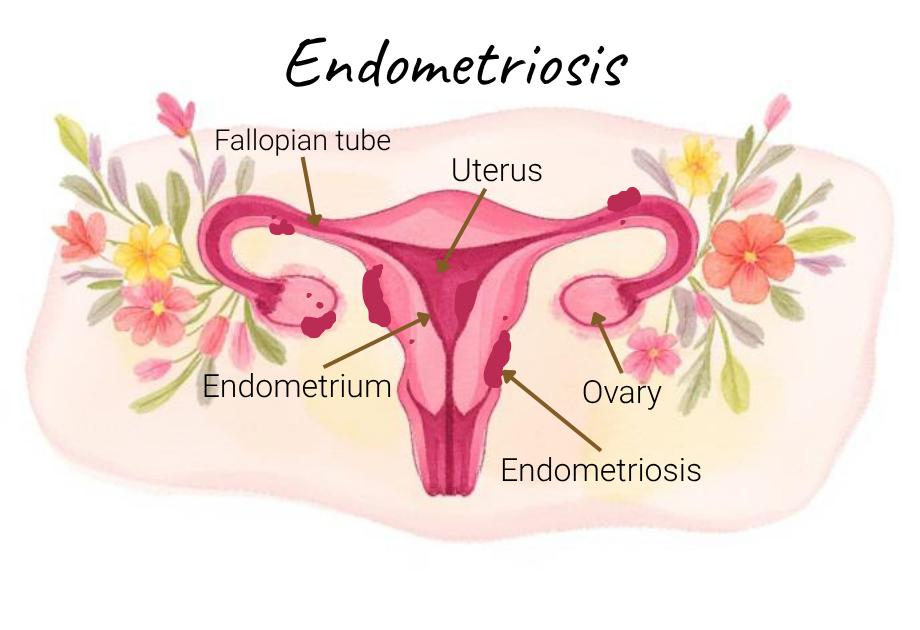
Cramps are rarely the only symptom of endometriosis. The condition involves tissue similar to the uterine lining growing where it doesn't belong. That misplaced tissue can grow on the ovaries, the bladder, the bowel, or the area behind the uterus. And since endometriosis symptoms show up wherever the tissue grows, the pattern reaches well beyond cramps.
One more thing worth knowing: pain level says very little about how far the disease has spread. Small patches of tissue can cause severe pain, while widespread tissue sometimes causes barely any. So mild cramps and regular cycles don't rule endometriosis out. As you read on, note anything that matches your last few cycles. You'll use that list later.
Pain That Breaks the Rules
Start with the cramps themselves. The normal version peaks within a day, eases within a few, and responds to over-the-counter medication. Endometriosis pain breaks those rules. It can intensify year after year instead of holding steady. Or it can linger on after the bleeding stops. Back and leg aches may sharpen with each cycle rather than staying a mild echo. And even the medication that used to work can stop bringing relief. If any of those sound familiar, write them down.
Pain During or After Sex
Sex is a different kind of marker, because there's no normal version of this pain. Deep pelvic pain during or after sex traces back to lesions and inflammation behind the uterus, where the tissue turns tender. Pressure against it creates an internal ache rather than surface pain. This symptom often goes unmentioned at appointments, which keeps it undiagnosed. So if it's part of your pattern, put it on the list by name.
Bowel, Bladder, and Whole-Body Symptoms
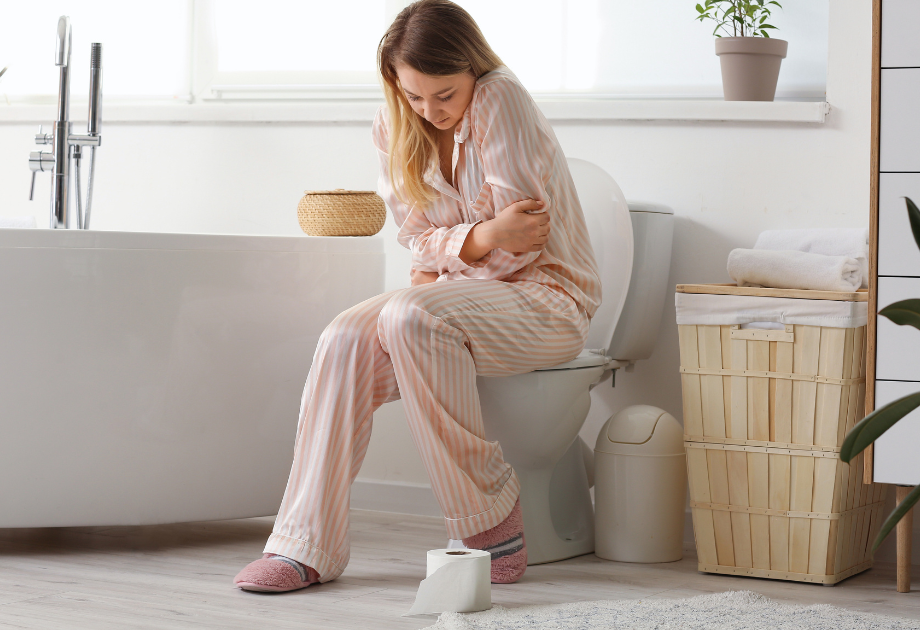
A normal period can unsettle your stomach; that's the mild nausea and upset stomach from earlier. Endometriosis goes further. When the tissue grows on or near the bowel, bowel movements themselves become painful while you're bleeding. Tissue near the bladder can bring urgency or pain with urination. And bloating may swell and settle on the cycle's schedule. Taken one at a time, these read as ordinary digestive or bladder problems, which is exactly how they get treated for years. But the timing is the tell. A symptom that keeps your cycle's schedule points back to your cycle.
The last symptom in this group is also the easiest to misread: fatigue. Chronic inflammation is tiring all by itself, before constant pain starts burning energy on top of it. And heavy bleeding drains iron month after month, which loops back to the flow question from earlier. Exhaustion with those causes is a symptom of the disease, not a measure of your effort
Getting Answers Doesn't Require Surgery
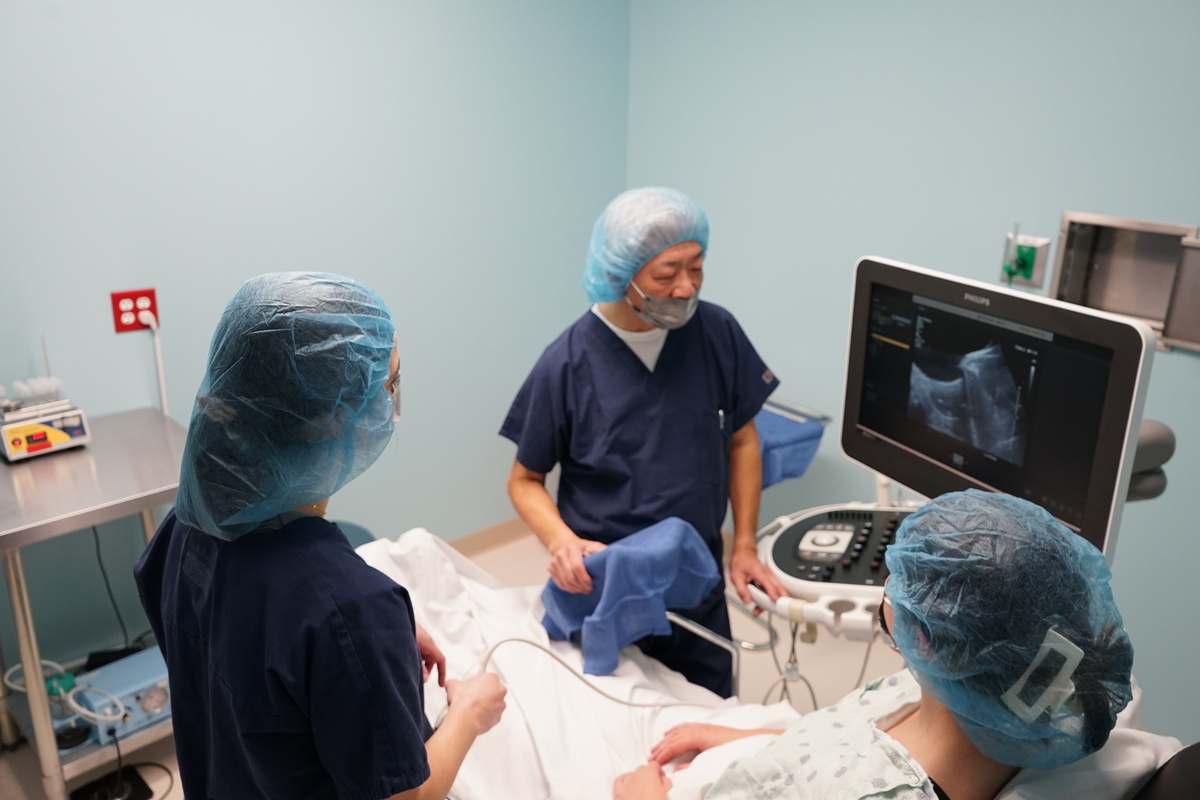
An endometriosis diagnosis no longer starts with surgery. A provider can reach a clinical diagnosis in the office, based on your history, a pelvic exam, and imaging. That imaging is usually a transvaginal ultrasound. When the disease is more advanced, ultrasound can often pick up visible signs of it. Smaller or earlier growths, though, don't always show up. So a clear scan doesn't rule endometriosis out. And when symptoms point strongly to the disease, surgery may still be the way to confirm it. But treatment can often begin from the clinical picture alone, well before that step.
That list you've been keeping is the history. Bring it to your first appointment. It answers the exact questions a provider will ask: when the pain arrives, what else comes with it, and what it costs you. If pregnancy is part of your plans, mention that too. Bloodwork and hormonal monitoring can run alongside the evaluation to fill in the wider fertility picture.
If no one caught yours sooner, that has less to do with you than with the process. Painful periods get normalized at home, worked up as digestive problems, or managed with an ibuprofen suggestion. And for decades, medicine assumed only surgery could confirm the disease. That's how the average diagnosis came to take about seven years. The current approach removes those barriers.
Treatment follows the same pattern as diagnosis: less drastic than feared. Most endometriosis treatment starts with medication rather than surgery. Surgery stays available for specific situations. But it isn't the default or the price of asking. And one number ties early answers to fertility. Endometriosis shows up in an estimated 25 to 50 percent of women with fertility challenges. So if conception has been taking longer than expected, an evaluation may explain why. Even if you're not trying yet, acting early limits the scar tissue and inflammation that narrow options later.
Get Answers About Your Pain at The Fertility Wellness Institute of Ohio
You don't need to prove your pain outranks anyone else's. The measure from the start of this blog still holds. So look at what the pain takes: canceled plans, missed work, days spent managing it. If that cost keeps repeating, it's reason enough to ask.
A consultation is a conversation, not a commitment. Dr. Chin and the team at The Fertility Wellness Institute of Ohio start with your history and your goals. The evaluation gets built from there. Contact us today to schedule a consultation and get answers about your pain.