
Fertility Medication Side Effects: What's Normal and What to Watch For

Starting an IUI or IVF cycle comes with a lot of new physical experiences, and most of them trace back to the medications in your protocol. Those medications are designed to shift your hormone levels, so it makes sense that your body has something to say about it.
Some of what you feel will be mild and easy to shrug off. Other side effects, like bloating or fatigue, tend to stick around longer and take up more space in your day. And every now and then, a symptom comes up that's worth a phone call to your clinic. Telling the difference isn't always obvious, especially when all you have to go on are side effect lists that read like pharmacy labels.
That's what this blog is for. We'll cover what to expect physically, when something is worth a call, and how to manage side effects at each phase of your cycle.
Oral Medications (Clomid and Letrozole)
Clomid and letrozole are often the first fertility medications prescribed in a cycle. They work by changing how your body handles estrogen, which helps trigger ovulation. Because they lower estrogen, the side effects tend to reflect that drop.

Day-to-Day Side Effects
These are the side effects you're more likely to live with during your time on oral medications. They're not fun, but they're expected.
Hot flashes are the most reported side effect with oral fertility medicine. They can feel like sudden, intense waves of heat, and they don't always wait for a convenient moment.
Headaches may linger or come and go throughout the days you're on the medication.
Mood shifts are common with these drugs. The estrogen drop can bring shorter patience, unexpected tearfulness, or a general sense of being "off." It's not subtle for everyone, and it's not something you should feel like you have to push through silently.
When to Call Your Clinic
Most side effects with Clomid and letrozole are manageable at home. These are the exceptions:
- Blurred vision, spots, or flashes while taking Clomid: stop the medication and call your provider right away.
- Severe mood changes that feel unmanageable or disruptive to daily life: call your clinic.

Injectable Medications (Gonadotropins)
Injectable gonadotropins (Gonal-F, Menopur, Follistim) stimulate the ovaries to grow multiple follicles. Side effects tend to build as stimulation goes on. What you feel in the first few days may look nothing like what you feel toward the end.
Day-to-Day Side Effects
These are the side effects that tend to be part of daily life during stimulation. They build gradually, and knowing what to expect makes them easier to manage.
Bloating is one of the most talked-about side effects during stimulation. In the first few days, it might show up as mild fullness. As follicles grow, that fullness gets heavier. By mid-to-late stimulation, your pants may feel tight and your abdomen may feel swollen.
Pelvic pressure builds alongside the bloating as the ovaries respond to stimulation.
Fatigue is common, and it gets worse as the days go on. Don't be surprised if you feel more drained toward the end of stimulation than you did at the start.
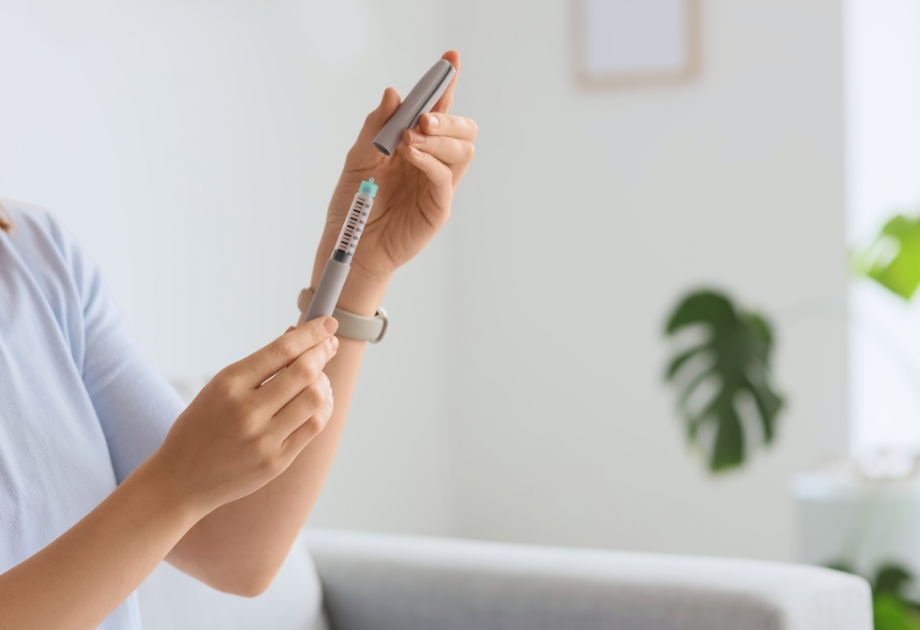
Injection site soreness and small bruises are routine with injectable fertility medication. They tend to look worse than they feel. Rotating your sites and staying consistent with timing helps keep the soreness from piling up in one area.
A note on exercise: avoid high-impact activity during stimulation. As the ovaries enlarge, there's a risk of ovarian torsion. Gentle movement, like short walks, is fine.
When to Call Your Clinic
Most of what you feel during stimulation is your body responding to the medication as expected. But some symptoms need attention:
- Rapid abdominal swelling: call your clinic.
- Shortness of breath: call your clinic.
- Decreased urination despite drinking enough fluids: call your clinic.
- Sudden weight gain of several pounds in a day or two: call your clinic.
- Spreading redness, warmth, or worsening pain at an injection site: call your clinic.
Several of the symptoms listed above can be early signs of OHSS (ovarian hyperstimulation syndrome). Severe OHSS is uncommon, leading to hospitalization in roughly 1.2% of stimulated IVF/ICSI cycles. The risk is higher for patients with PCOS and in cycles that result in pregnancy. Your care team monitors for this throughout stimulation.
Trigger Shots and Progesterone Support
Trigger shots like Ovidrel tell your eggs it's time for their final stage of growth. After retrieval or insemination, progesterone support helps prepare the uterine lining. These medications overlap in timing and share some side effects.
Day-to-Day Side Effects
These side effects tend to show up after retrieval or insemination and stick around during the support phase of your cycle.
Breast tenderness and nausea are common after trigger shots and during progesterone support. Worth knowing: breast tenderness from progesterone can feel a lot like early pregnancy symptoms. That overlap can be confusing during the two-week wait, and it's something many patients wish someone had mentioned sooner.
Fatigue tends to hit its hardest during this phase. Planning for lower-energy days is practical, not indulgent.
Constipation tends to peak during progesterone support. More fiber and water help here.
When to Call Your Clinic
Most trigger shot and progesterone side effects are uncomfortable but not dangerous. But these are worth a call:
- Rapid swelling or worsening nausea after the trigger shot: call your clinic.
- Persistent vomiting: call your clinic.
Common Myths About Fertility Medication Side Effects
A lot of fear around fertility treatment comes from myths that circulate online. Here are some of the most common.
"Fertility medications cause cancer." No conclusive evidence supports this. ASRM has reviewed the research and found no established link.
"IVF medications will use up my eggs and cause early menopause." They won't. IVF medications stimulate follicles that were already recruited for that cycle. Those eggs would have been lost naturally. Your long-term egg reserve isn't affected.
"Clomid causes permanent weight gain." Weight changes on Clomid are usually temporary. They're driven by bloating or fluid retention and tend to resolve after the cycle ends.
"Injectables always lead to twins or multiples." The risk of multiples does increase with gonadotropins, especially during IUI. But your care team monitors closely and adjusts treatment to reduce that risk.

Your Experience Can Change from Cycle to Cycle
If you had strong side effects one cycle and barely any the next, you're not imagining things. A lot can shift between rounds: your hormonal baseline, how your ovaries respond, dosing changes, sleep, stress. No two cycles feel exactly the same.
Does having fewer side effects mean the medication isn't working? It doesn't. Your care team tracks follicle growth and hormone levels through regular monitoring. Those results show whether the medications are doing their job.
Every body responds differently to the same medications. Comparing your experience with another patient's won't tell you much about your own cycle.
Prepare for Your Protocol with The Fertility Wellness Institute of Ohio
Every medication protocol looks a little different, and so does every patient's experience with side effects. What matters most is that you know what's in the range of normal for your cycle, and that you feel comfortable reaching out when something doesn't feel right. That's what your care team at The Fertility Wellness Institute of Ohio is here for.
Contact us to talk through what your protocol will look like.